
Why Too Many Items Hurt Your Business
A restaurant or café menu is more than a list of dishes — it’s your most powerful sales tool. When it’s too large or unfocused, multiple problems arise:
1. Operational Strain
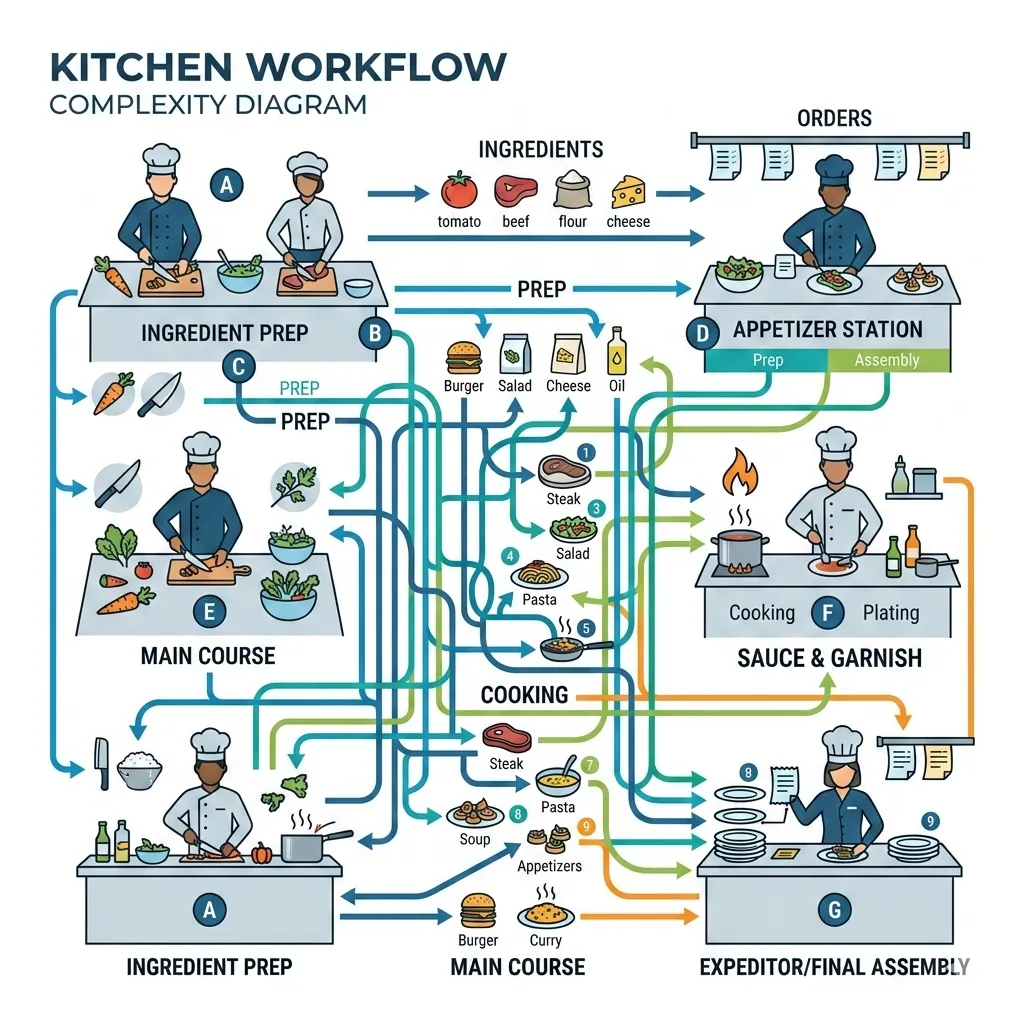
Every additional dish adds complexity in the kitchen. More items mean:
- Additional prep work
- Ingredient tracking
- Cooking steps to train staff on
- Increased likelihood of errors
This increases labor costs, slows service, and reduces quality — all of which erode profit margins.
2. Inventory Waste
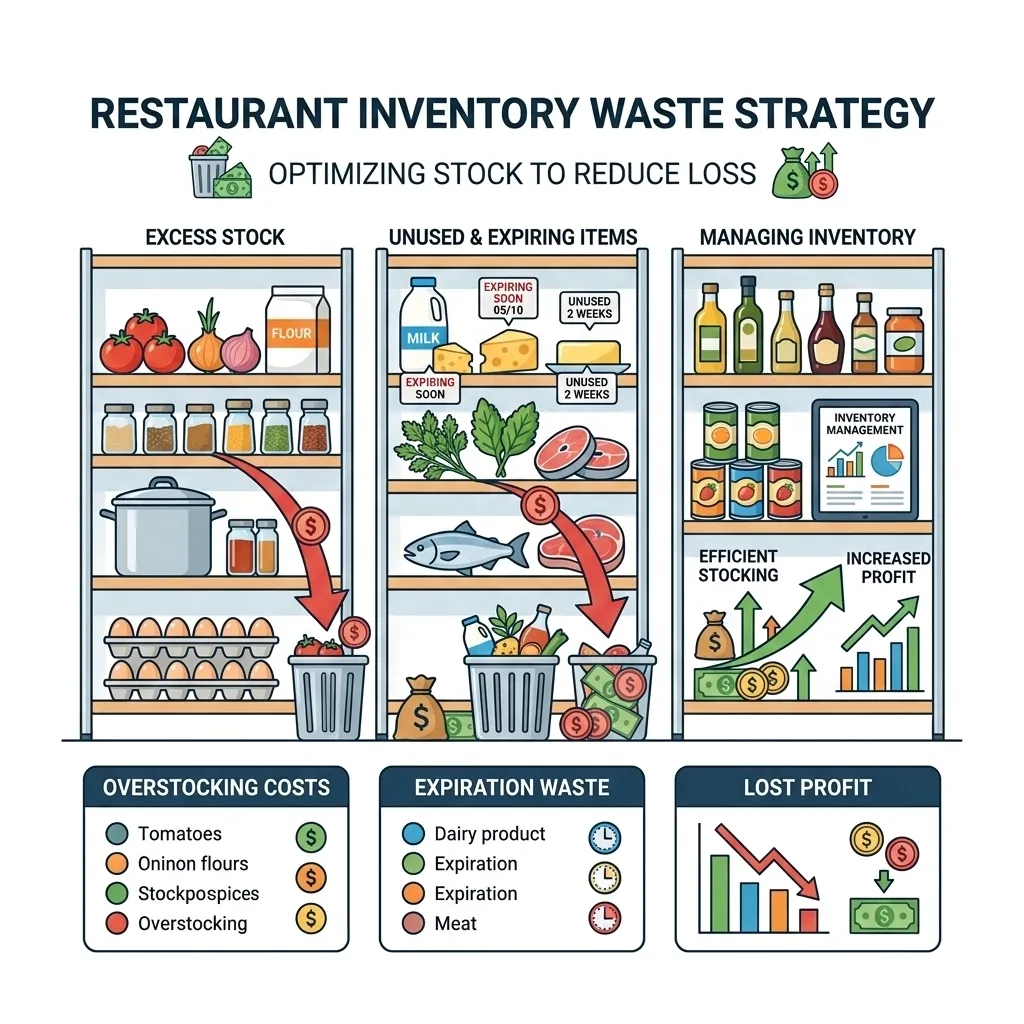
More items require more ingredients. Often, these ingredients overlap poorly or perish before they’re sold, leading to spoilage and waste — a silent profit killer.
3. Customer Indecision
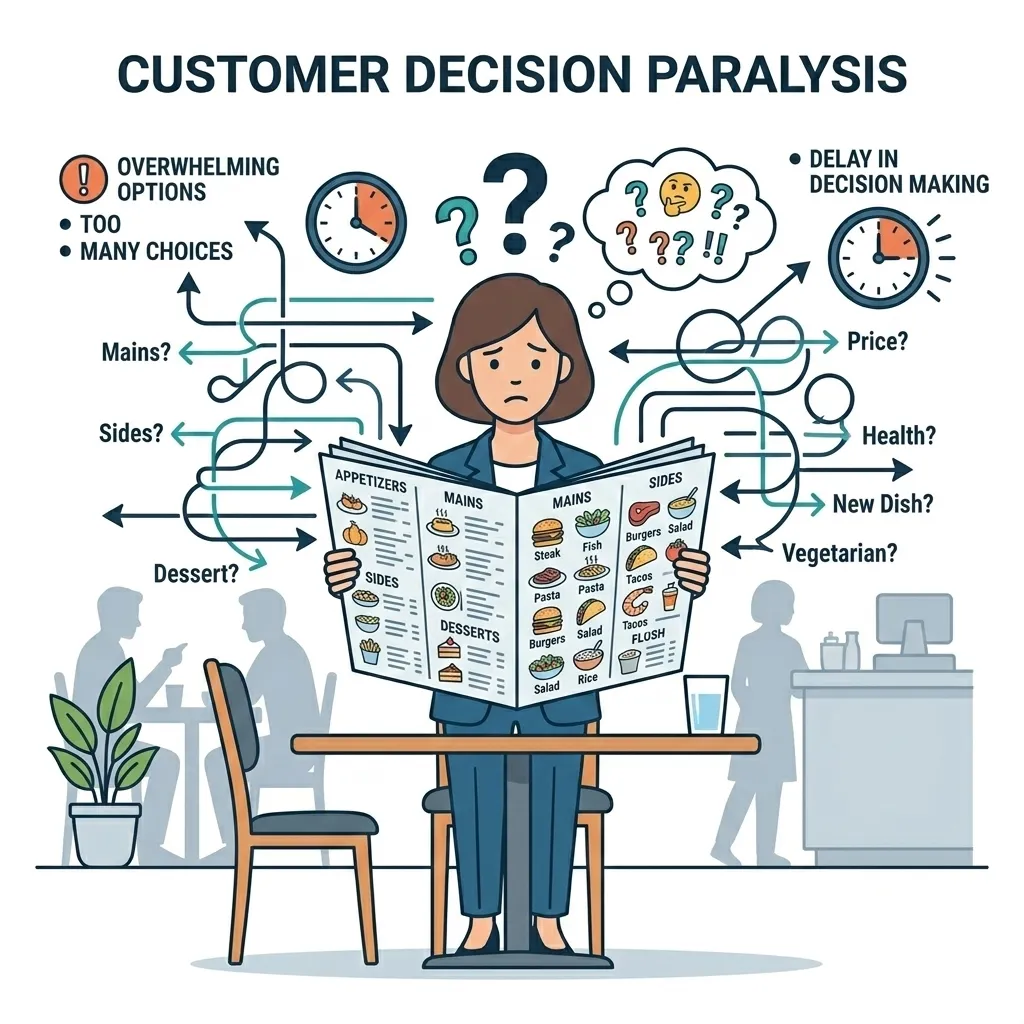
Psychologists call this the paradox of choice: too many options can overwhelm customers, delaying decisions and sometimes reducing conversions altogether. A streamlined menu simplifies decision‑making and increases confidence.
4. Margin Dilution
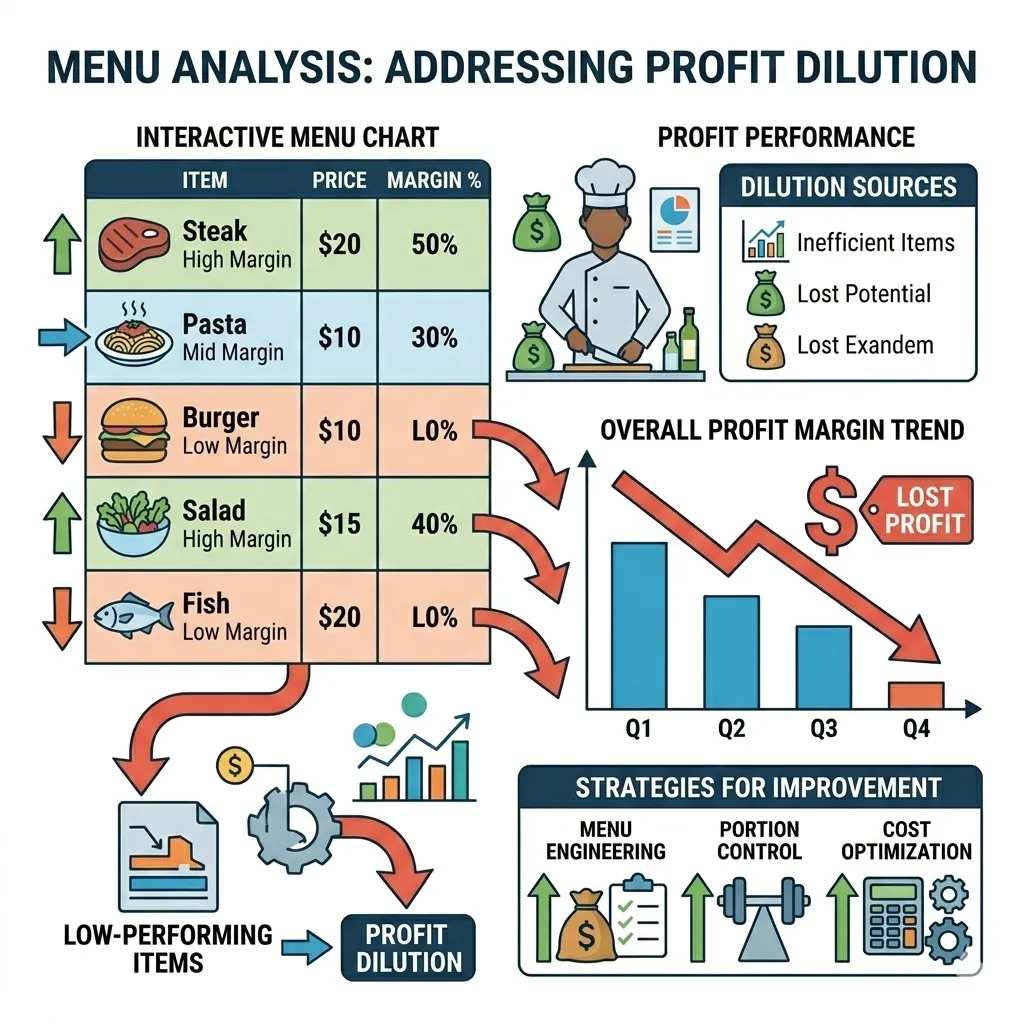
Not all items contribute equally to your bottom line. In fact, many menus promote low‑margin or unpopular dishes simply because they exist — dragging down overall performance.
Why "More Items" ≠ "More Profit" — And What Café & Restaurant Owners Should Do Instead
For many restaurant and café owners, it's tempting to think that a large menu equals higher revenue. More choices seem like more opportunities to sell. But in practice, a bloated menu often hurts profitability, slows operations, and confuses customers.
In hospitality, the reality is simple: profit doesn't come from volume of choices — it comes from clarity, structure, and intentional design.
Why Too Many Items Hurt Your Business
A restaurant or café menu is more than a list of dishes — it's your most powerful sales tool. When it's too large or unfocused, multiple problems arise simultaneously, each eroding your bottom line in a different way.
1. Operational Strain
Every additional dish adds complexity in the kitchen. More items mean additional prep work, ingredient tracking, cooking steps to train staff on, and an increased likelihood of errors. This increases labor costs, slows service, and reduces quality — all of which erode profit margins.
2. Inventory Waste
More items require more ingredients. Often, these ingredients overlap poorly or perish before they're sold, leading to spoilage and waste — a silent profit killer that most operators underestimate.
3. Customer Indecision
Psychologists call this the paradox of choice: too many options can overwhelm customers, delaying decisions and sometimes reducing conversions altogether. A streamlined menu simplifies decision-making and increases confidence at the point of order.
4. Margin Dilution
Not all items contribute equally to your bottom line. In fact, many menus promote low-margin or unpopular dishes simply because they exist — dragging down overall performance without the owner even realising it.
Strain
Kitchen complexity slows everything down
Waste
Ingredients spoil before they're sold
Confusion
Too many options stall the decision
Dilution
Low-margin items drag profit down
Strong, Strategic Menus That Convert
What separates high-performing café and restaurant menus from the rest isn't the number of choices — it's intentional structure. A well-engineered menu is built around profit, not tradition or assumption.
Selective & Intentional
Instead of offering every conceivable option, focus on your strongest performers:
- Star items — popular and profitable
- Puzzle items — profitable but under-ordered, needing better positioning
Consider removing or re-positioning items that don't contribute meaningfully to revenue or operational efficiency.
Clarity Converts
Menus become powerful when they guide customers toward the most profitable decisions — not distract them. Strategic placement, clear sections, and visual hierarchy make a menu easier to scan and order from.
Less clutter + more focus = faster decisions + higher average spend
A carefully engineered menu shapes behavior — it isn't just about aesthetics, it's about psychology. Every placement decision is a sales decision.
Proof It Works: What the Research Shows
This isn't theory — it's backed by decades of behavioral and hospitality research.
- Menu engineering — the practice of analyzing profitability and popularity — can raise profits by 10–15% or more without changing your recipes.
- Simpler, well-organized menus help reduce waste and improve food cost percentages.
- Too many highlights or visual cues can dilute effectiveness — a direct metaphor for why too many items dilute focus.
- The paradox of choice makes customers slow or hesitant, which directly harms conversions.
Even major restaurant chains like Denny's have publicly acknowledged that
Simplifying menus and removing complex customizations helped improve profitability and streamline operations.What This Means for Your Café or Restaurant
The data is clear. The psychology is proven. The question is: is your menu working for you or against you?
Your Menu Should Be:
- Strategic, not bloated
- Clear, not crowded
- Intentional, not random
A streamlined, profit-focused menu helps your team work better, your customers order faster, and your business make more money — without changing your food, staff, or concept.
Profit doesn't come from the number of options on your menu. It comes from how well each option is positioned, priced, and placed.
The Next Step
If you're ready to turn your menu into a strategic profit center, the Menu Profit System™ gives you the exact framework — from item analysis to psychological placement — to engineer a menu that sells smarter, not harder.