Of all the protein categories on a commercial menu, seafood carries the most operational variables. Perishability, traceability, seasonal availability, sustainability certification, and price volatility — each one introduces risk that a poorly chosen supply relationship compounds daily.
The operators who manage seafood profitably are not necessarily the ones with the most exotic menu. They are the ones who understand their supplier's capabilities, limitations, and reliability as well as they understand the product itself. This article is written for them.
What follows is a professional evaluation of the ten most significant seafood supply operators available to restaurants and cafés — structured around what matters in a commercial kitchen context, not a consumer buying context.
for seafood dishes
whole fish after breakdown
for wild-caught species
Why Seafood Is the Most Demanding Supply Chain Decision on Your Menu
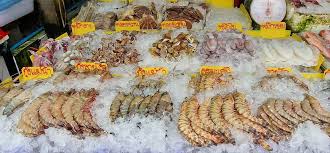
Unlike protein categories with stable year-round pricing and predictable supply chains, seafood operates differently at almost every level. Species availability shifts with season and regulation. Wild-catch volumes are affected by weather, quotas, and fishing fleet capacity. Farmed product quality varies widely between producers — even within the same species and the same certification body.
The consequence for operators is clear: a seafood supplier is not just a procurement relationship. It is a daily operational dependency. When the supply fails — a short delivery, an off-grade catch, a missed window — the impact is felt on the pass, at the table, and on the invoice simultaneously.
With that context set, here are the ten seafood supply operators most relevant to professional restaurant and café operations — evaluated on what the commercial kitchen actually needs.
The Top 10 Seafood Suppliers
High Liner Foods is one of the largest value-added frozen seafood companies in North America, supplying restaurant chains, institutional foodservice operations, and independent operators across the United States and Canada. Their portfolio spans breaded, battered, marinated, and portion-controlled seafood products across species including cod, haddock, pollock, salmon, and shrimp.
For high-volume operators where labour cost reduction and consistent portion weight are operational priorities, High Liner's pre-portioned and pre-breaded range removes significant prep time without sacrificing plate consistency. Their sustainability credentials — including Marine Stewardship Council (MSC) certified products — support responsible sourcing claims on menus and in corporate reporting.
Sysco's seafood division operates as part of their broader broadline distribution network — meaning consolidated invoicing, national coverage, and a single account relationship covering seafood alongside produce, dairy, and dry goods. Their seafood portfolio includes both fresh and frozen product across multiple tiers, from commodity-grade frozen fillets to branded premium programs.
For multi-location operators managing procurement across sites, Sysco's logistical infrastructure eliminates the complexity of managing multiple specialist suppliers. Their FreshPoint division handles fresh seafood with more focused quality standards than their standard broadline offering — worth specifying when accuracy on fresh product matters.
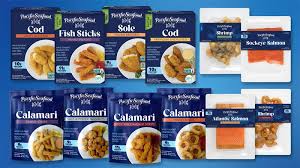
Pacific Seafood is one of the largest vertically integrated seafood companies on the West Coast of the United States — operating fishing vessels, processing plants, and distribution directly. Their species range is anchored in Pacific Northwest and Alaskan product: wild salmon, Dungeness crab, Pacific halibut, Oregon albacore tuna, and Pacific oysters.
Vertical integration is their core differentiator. Because they own the supply chain from vessel to delivery, traceability is genuine rather than claimed — and their freshness standards reflect that control. For West Coast operators building menus around regional Pacific seafood, Pacific Seafood is the most credible primary supplier available.
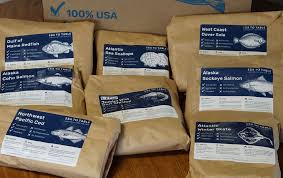
Sea to Table connects restaurants directly with American fishing communities — bypassing the multi-layer distribution chain that typically sits between the ocean and the kitchen. Their model sources exclusively from US-based, independently owned fishing operations, supplying species including wild swordfish, Pacific halibut, Gulf shrimp, Atlantic sea scallops, and Pacific salmon.
The commercial value of Sea to Table's model is twofold: supply chain transparency that withstands scrutiny, and a menu narrative that is authentically specific — named fishery, named port, named vessel in some cases. For operators in markets where guests read and respond to provenance detail, that specificity is a menu engineering asset, not just a marketing one.
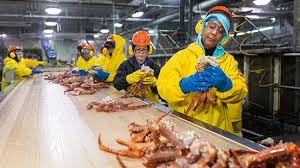
Trident Seafoods is the largest vertically integrated seafood company in the United States, operating fishing vessels, processing facilities across Alaska, and distribution nationally. Their primary species are Alaskan — pollock, cod, salmon, crab, and halibut — processed at scale with robust cold chain management from vessel to delivery.
Trident's scale makes them highly relevant for operators needing consistent, high-volume Alaskan seafood at competitive pricing. Their MSC certifications across multiple species support sustainability positioning, and their product consistency — a function of industrial processing standards rather than artisanal variation — suits kitchens where repeatability is the priority.
Calculate True Yield
Whole fish yield after filleting typically runs 40–55%. Your cost-per-portion must be based on edible yield, not purchase weight. This single calculation changes every seafood pricing decision.
Understand Seasonality
Wild species availability changes with quota and season. Build menu flexibility into your seafood sections — rotating specials rather than fixed items protect you from forced substitutions and quality compromise.
Audit Freshness Standards
Ask every supplier: days-at-sea maximum, ice-to-delivery ratio, and rejection protocol for off-grade product. The answers tell you whether their quality standard is real or assumed.
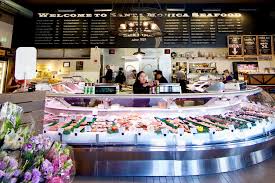
Founded in 1939, Santa Monica Seafood is one of the most respected fresh seafood distributors on the West Coast, supplying fine dining restaurants, hotel groups, and upscale casual operators across California and neighbouring states. Their species range is broad — domestic and imported fresh fish, live shellfish, and specialty items — with a procurement philosophy built around sustainable sourcing and relationship-based buying.
Santa Monica Seafood's market position sits firmly in the premium-fresh segment. Their clientele are operators for whom the quality of the fish is a direct reflection of the restaurant's standard — and who have the menu pricing to support a supplier whose product commands a premium over commodity alternatives.
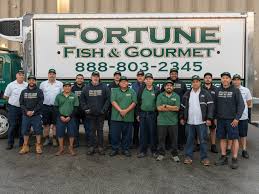
Fortune Fish & Gourmet is a restaurant-focused fresh seafood distributor operating primarily across the Midwest and Northeast, supplying independent restaurants, hotel dining programs, and chef-driven concepts. Their daily fresh sheet model — where available product is communicated to chefs each morning based on what landed — is designed specifically for kitchen teams who build menus around availability rather than fixed specifications.
Their gourmet division extends beyond seafood into specialty produce, artisan cheese, charcuterie, and imported specialty ingredients, making them a relevant multi-category partner for operators running elevated casual or fine dining programs where sourcing is a competitive differentiator.
Australis Aquaculture is the world's largest producer of Barramundi — a white-flesh fish with a clean, mild flavour profile well-suited to a wide range of menu applications. Their farming operations are designed to the highest aquaculture sustainability standards: land-based recirculating systems in Vietnam and Massachusetts that eliminate ocean escapement risk, antibiotic-free protocols, and non-GMO feed.
For operators seeking a sustainable farmed fish with genuine certification credentials and a consistent year-round supply at a price point below premium wild-caught species, Australis Barramundi occupies a commercially useful position — particularly in markets where the "responsibly farmed" narrative is valued by the dining demographic.
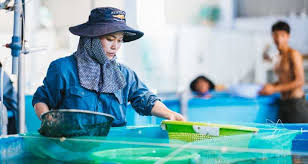
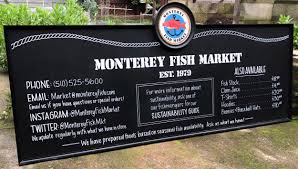
Monterey Fish Market has been supplying San Francisco Bay Area restaurants for over 40 years, built on a philosophy of sourcing only what is in season, abundant, and caught by responsible methods. They are one of the earliest and most consistent advocates of ecosystem-based seafood procurement — working directly with fishermen and aquaculture operations that meet their sustainability criteria.
Their client base reads like a directory of the Bay Area's most respected restaurant kitchens. For operators in their geographic footprint, Monterey Fish Market represents the standard against which other fresh seafood distributors should be measured — on quality, sustainability rigour, and the quality of the supplier relationship itself.
No list of seafood suppliers for restaurant operators is complete without addressing the category that national distributors structurally cannot replace: the local or regional fishmonger with a direct relationship to the fishing fleet. These are the suppliers who know what landed this morning, who will call you when an exceptional catch comes in, and who understand your operation's quality standard because they have delivered to it every week for years.
In coastal markets particularly, local fishmonger relationships deliver freshness that no cold chain — however well managed — can match. The fish that moved from vessel to ice to your delivery vehicle in under 24 hours performs differently in the pan and on the plate. Your regular guests notice. The cost premium, when it exists, is rarely as large as operators assume — and the yield and quality advantages frequently close the gap entirely.
The Framework for Evaluating Any Seafood Supplier
The suppliers above represent different scales, geographies, and quality tiers. None of them is universally correct for every operation — the right choice depends on your menu structure, your kitchen capability, your guest expectations, and your cost architecture.
There are five questions every operator should be able to answer about their primary seafood supplier before committing to a relationship:
1. Days from Catch
How many days between harvest and delivery to your kitchen? For fresh product, this single number determines what you can do with it on the pass.
2. Species Substitution Policy
What happens when a listed species is unavailable? How are substitutions communicated, and what approval process exists? This reveals a supplier's transparency culture.
3. Certification Evidence
MSC, ASC, BAP — can the supplier produce current certification documents, not just claim the label? Verified credentials versus assumed credentials is an important distinction.
4. Yield Guarantee
For portioned product — will the delivered portion weight match the invoiced specification consistently? Track this monthly. Persistent short weights are a cost that compounds invisibly.
The fifth question is internal: does your current menu pricing structure support your seafood cost? Seafood food cost percentages are often quoted as a target without accounting for the yield loss that makes the real cost per plate significantly higher than the purchase price suggests. Before renegotiating with a supplier, recalculate your edible portion cost on every seafood dish. The number you find is the actual cost you are managing.
The Next Step That Actually Moves the Number
If this article has clarified your thinking about seafood supply, the next productive step is not calling a new supplier. It is understanding whether your current menu is structured to profit from the seafood costs you already carry.
Are your seafood dishes your most profitable items — or your most popular items quietly eroding margin? The answer determines whether you have a supply chain problem, a pricing problem, or a menu engineering problem. They require different solutions.
The Menu Health Check at The Spinoglio Hospitality Lab is a 12-question diagnostic that takes under five minutes and identifies which of those problems is most likely affecting your operation. It delivers results by email and costs nothing to complete.
Sources
- High Liner Foods — Foodservice Portfolio. highlinerfoods.com
- Sysco FreshPoint — Seafood Division. sysco.com
- Pacific Seafood — Company Overview. pacificseafood.com
- Sea to Table — Direct Fishery Model. sea2table.com
- Trident Seafoods — Foodservice. tridentseafoods.com
- Santa Monica Seafood — Restaurant Program. santamonicaseafood.com
- Fortune Fish & Gourmet — Fresh Seafood. fortunefishco.com
- Australis Aquaculture — Barramundi. thebarramundi.com
- Monterey Fish Market — Sustainability Philosophy. montereyfish.com
- Marine Stewardship Council — Certified Sustainable Seafood. msc.org
- Aquaculture Stewardship Council — ASC Certification Standards. asc-aqua.org
- National Restaurant Association — Seafood Trends & Food Cost Data. restaurant.org